What makes an operation a good fit.
A continuous or repeated operation.
The process runs often enough that small improvements add up across hours, shifts, jobs, machines, or wells.
A decision that changes with conditions.
Load, feed, weather, equipment condition, demand, pricing, and other constraints change what the operation should do. Fixed settings and periodic retuning cannot always keep up.
A safe action path.
There is something Kelvin can change that affects the outcome: a setpoint, workflow, work order, dispatch decision, or other governed action.
A measurable result.
The effect can be observed in production, throughput, downtime, energy, waste, emissions, cost, or another operating measure.
When all four are present, the economics improve quickly.
Optimize the operation, not just the machine.
Kelvin can optimize an individual well, dryer, compressor, pump, or production unit. The larger opportunity comes when those assets interact.
A local optimum is not necessarily a system optimum.
Increasing production at one asset can constrain gathering. Increasing throughput can overload downstream equipment. Reducing energy at one unit can increase it somewhere else.
Kelvin can coordinate these decisions against shared operating objectives and constraints across production, compression, water, power, maintenance, logistics, and other interconnected systems.
At one materials operation, Kelvin expanded from a single dryer to eight in nine months, with six operating closed loop.
This is the progression from automating individual machines to autonomously coordinating an operation.
The operating pattern travels.
The equipment changes by industry, but the underlying problem often does not: changing conditions, repeated decisions, interacting constraints, and measurable outcomes.

Production, artificial lift, compression, separation, gathering, produced water, power, emissions response, and field operations.

Pumping, blending, cementing, power systems, stage transitions, equipment coordination, and remote operations.

Crushers, mills, dryers, separators, material flow, moisture, temperature, energy, throughput, and quality.
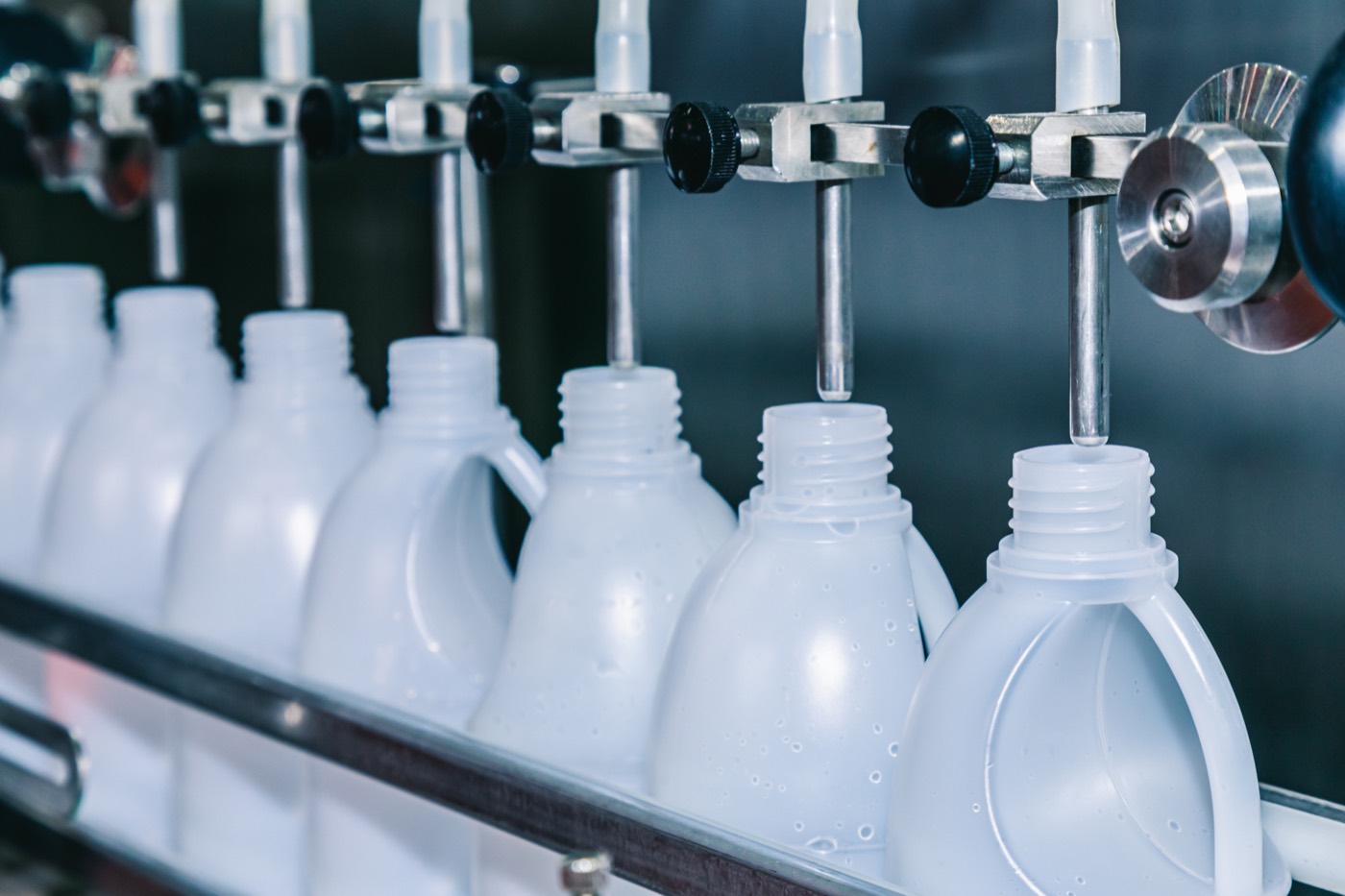
Continuous and process manufacturing where production decisions depend on live equipment conditions, upstream and downstream constraints, energy and raw-material costs, quality, and throughput. Kelvin can coordinate decisions across the whole process instead of optimizing each unit independently.

Generation, dispatch, load following, fuel optimization, emissions, and equipment availability.

Distributed equipment fleets, engines, compressors, packaged equipment, remote operations, and coordinated machine performance.
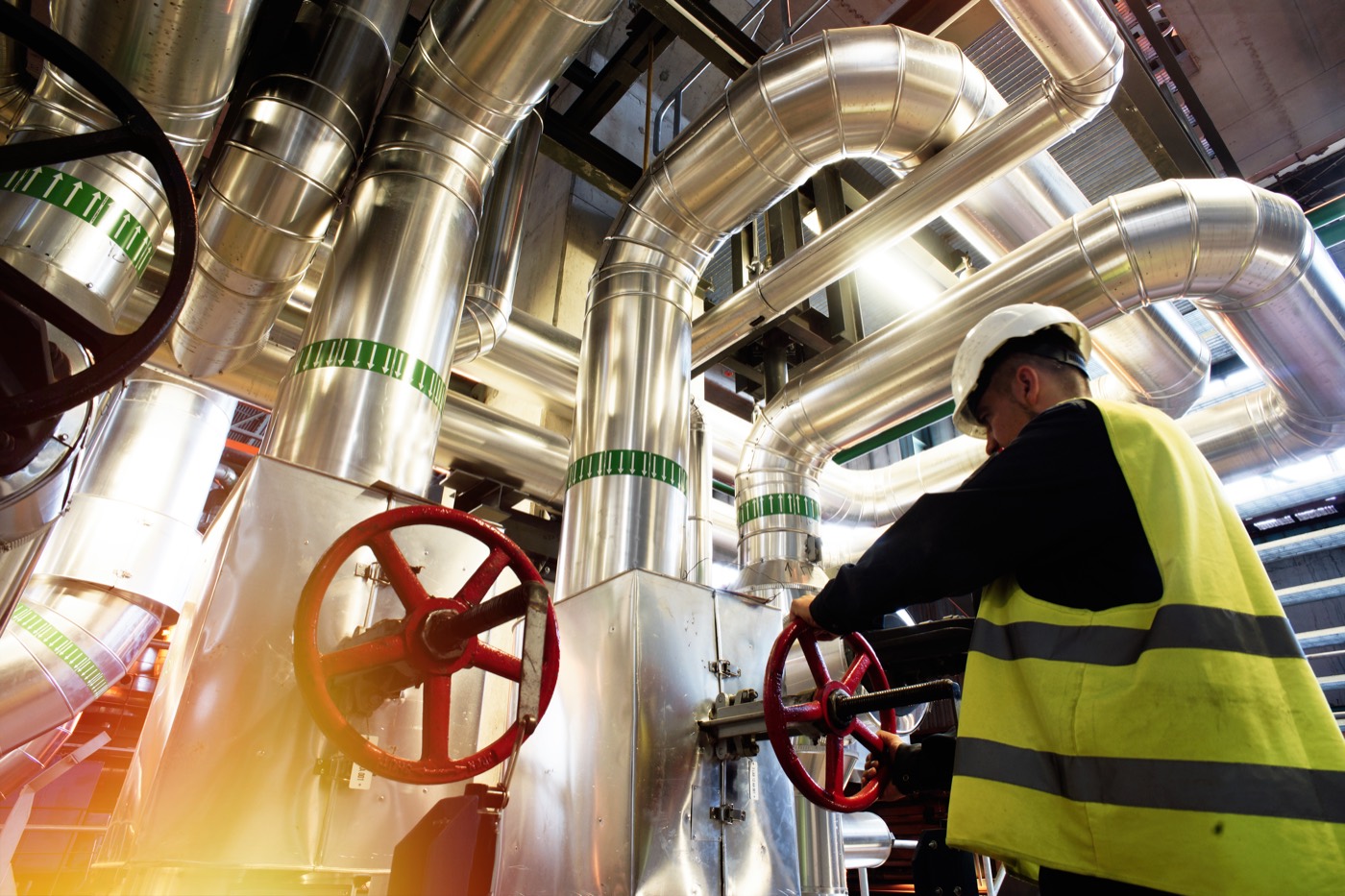
Pumping, treatment, flow, energy, quality, dispatch, and maintenance.

If an operation produces live signals, contains a repeatable decision, provides a safe path to act, and produces a measurable result, the Kelvin platform can potentially close the gap.
Talk to usBetter decisions add up.
More output.
Continuously adapt operating decisions as conditions change, keeping assets closer to their productive operating envelope.
Less energy and waste.
Move away from unnecessarily conservative fixed settings and continuously balance production against fuel, power, raw materials, chemicals, and other inputs.
Fewer upsets.
Detect changing conditions earlier and intervene before they become downtime, quality loss, or another operating event.
Best practice at scale.
Turn the operating knowledge of your strongest engineers and crews into Applications that can run consistently across assets and sites.
Shorter decision cycles.
Compress detection, analysis, approval, and execution into one governed process, escalating exceptions instead of every routine decision.
Better system performance.
Coordinate interacting assets against shared constraints instead of optimizing each machine in isolation.
Better capital utilization.
Use existing operating headroom more effectively before solving every constraint with additional equipment.
Blue-Collar AI: built for the people who run the physical world.
The most valuable industrial knowledge often lives with the engineers, operators, and technicians who know how your operation actually works. Kelvin turns that expertise into applications that can be deployed across every machine, process, and site.
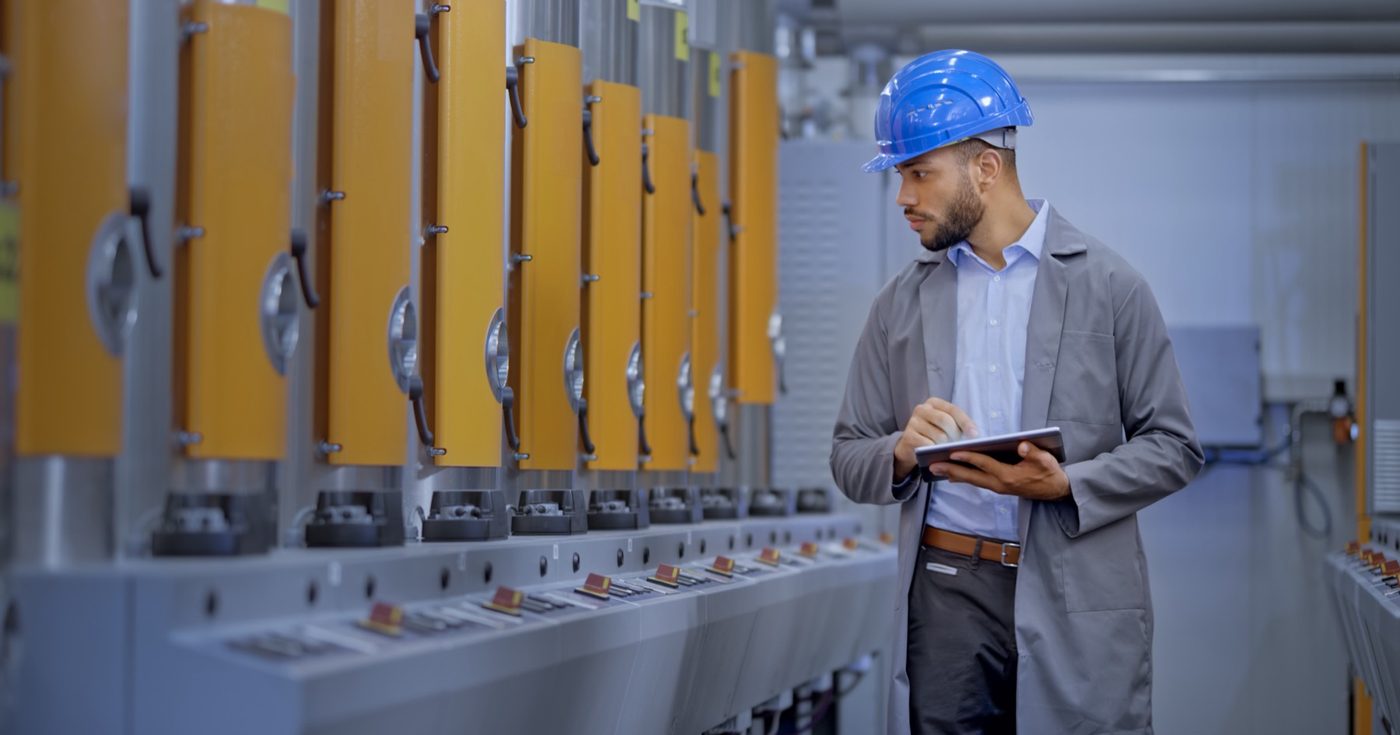
They can turn it into an application that runs continuously. What was once dependent on the best person being in the right place at the right time becomes available across the operation.
See the connectorsYour people define how the operation should run, where the boundaries are, and how much authority the system is given.
See the autonomy modesStart narrow and build for scale.
Choose one recurring decision with a clear action and a measurable outcome.

Before deployment, define the operating baseline, required data quality, guardrails, authority, exceptions, and method for measuring impact.
Then grant more autonomy. Start with Kelvin observing and recommending, move to human-approved execution, and move to closed loop when the evidence supports it, asset by asset and Application by Application.
Build the first use case so its asset model, action history, governance, and impact measurement can be reused by the next.
Prove one decision, then scale the operating pattern.
The platform runs across process manufacturing.
A leading North American materials producer · tens of millions of tons a year
From one drying line to the whole fleet.
Operators set the limits, and Kelvin holds feed rates and temperatures right at the productive edge, backing off before quality slips. What started on one line now runs all eight.
A Global 500 oil and gas producer · gas field operations
Concept to proven in six months.
Water loads up and stops the flow, and clearing it releases methane. Kelvin automated the monitoring and control across the field, so crews no longer drove out to restart production.
A Fortune 500 global energy services company · 70+ crews worldwide
From one use case to the operating standard.
One use case in one division was the entry point. Under the same governance, the platform earned each expansion, division by division.
Questions to settle early.
Do we have to replace our existing stack?
No. Kelvin is designed to augment your existing PLC, RTU, DCS, SCADA, historian, data, and enterprise infrastructure. Existing systems continue performing the functions they were designed to perform while the Kelvin platform adds the System of Action above them.
Do we need perfect data?
No. You need to know whether the data required for a particular decision is fit for that purpose. Kelvin Data Quality makes those requirements explicit and can prevent an Application from acting when required inputs do not meet them.
Do we have to start closed loop?
No. Autonomy is progressive. Start with an Agent in the Room or Human in the Loop, collect evidence, and grant additional authority when your engineers are ready.
Can we use our own models and operational knowledge?
Yes. You can bring your own models, Applications, and operational logic. You retain ownership of your data and customer-authored intellectual property according to your agreement.
How do we prove impact?
Define the baseline and measurement methodology before activation. Kelvin preserves the action and operating history needed to connect what changed to the resulting operational and financial outcome.
What happens if Kelvin or the network becomes unavailable?
Existing local controls continue operating independently. Edge-deployed Kelvin functions can continue locally when configured for disconnected operation, while cloud-dependent capabilities resume when connectivity returns.
Bring us the decision nobody has automated.
The hardest operating decisions often cross machines, systems, and organizational boundaries.
If the decision repeats, conditions change, there is a bounded way to act, and the outcome can be measured, it is worth testing.