About

From a pump jack to a System of Action.

We started with a simple problem: engineers often know what should happen, and machines can often be commanded to do it. But the distance between knowing and doing is filled with screens, handoffs, workflows, and people carrying context from one system to another.

Kelvin built the missing layer, and has been working in the physical world since 2015.

Today, Kelvin connects operational intelligence to governed action across machines, processes, and systems, and measures what happens next.

It started with a pump jack.

In 2015, a small operator in Ponca City, Oklahoma wanted better performance from aging wells.
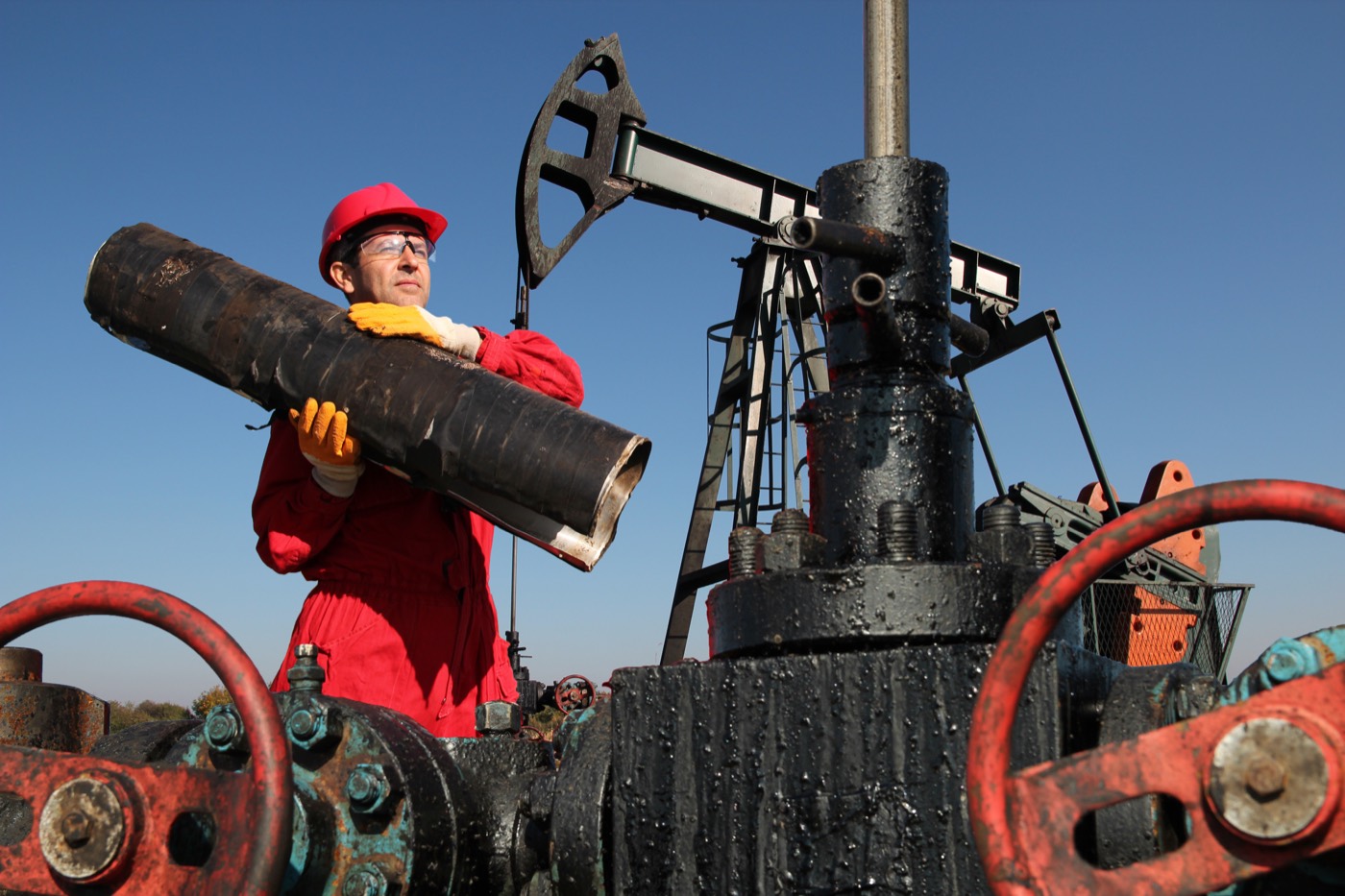
Crew working a pump jack on a production field

The first Kelvin edge device was an Android phone inside a plastic enclosure attached to a pump jack.

It started by reading the operating pattern to understand what was happening, then used that understanding to change how the machine operated.

The hardware has changed since. The principle has not.

Kelvin evolved into software that connects through the control infrastructure already in the field.

It runs where the operation happens and closes the gap from decision to physical outcome.
Event → Insight → Action → Impact.

The hierarchy is changing.

Deterministic control remains close to the machine. PLCs, RTUs, DCS, safety systems, alarms, and interlocks continue to provide the local control and protection they were designed for.

Two engineers checking equipment on a plant floor

Kelvin operates above that layer.

Connectors connect the operation. Engines provide deterministic execution. Agents evaluate what should happen next. Applications bring those capabilities together around operating objectives.

As more routine decisions move into governed Applications, the human role moves up the hierarchy.

Operators and engineers spend less time manually coordinating every routine action. They spend more time defining objectives, managing exceptions, improving operating logic, and deciding where greater autonomy is warranted.

People govern the operation.

Kelvin coordinates the decisions. Existing control systems execute at the machine layer.

Operating history over adjectives.

Autonomous operations are easy to describe and difficult to run.

Machinists working a lathe on a factory floor

Kelvin operates across energy, industrial services, and materials environments.

Equipment is diverse and distributed, connectivity is imperfect, control infrastructure already exists, and failures have physical consequences.

That experience has shaped the platform: run close to the operation, work with the infrastructure already there, govern every action, and measure the result.

Autonomy is granted one Application, one asset, and one decision at a time, not in one giant launch.

A leading North American materials producer · tens of millions of tons a year

One drying line proved it. The fleet followed.

Operators set the limits on a single line, and once the write-backs held, the same logic moved across the fleet.

16%higher production
59%less waste
$35M+a year, projected

A Global 500 oil and gas producer · gas field operations

Seven years in production, still expanding.

Water loads up and stops the flow, and clearing it releases methane. Kelvin automated the monitoring and control across the field.

74%less methane vented
20%higher production
7+years in production

A Fortune 500 global energy services company · 70+ crews worldwide

One division became three.

One use case earned the second, and the second earned the third, all under the same governance.

50%less operational downtime
90%fewer tech team field visits
6+years in production

Built for customer self-sufficiency.

Kelvin can support the full implementation, but the platform is designed so customers can increasingly build and operate it themselves.

A worker on a plant floor

Your teams can configure connectivity, build Applications, bring their own models, deploy containerized applications, manage permissions and guardrails, and operate the platform.

Kelvin typically works closely with customers through the first production use cases. That establishes connectivity, asset models, governance, measurement, and deployment patterns that can then be reused.

From there, you decide how much help you want.

The goal is leverage for your own operating organization, not dependency on Kelvin services.

Built for the long game.

Kelvin has spent more than a decade building software for environments where digital decisions have physical consequences.

Our technology runs across distributed industrial environments, from individual machines to large fleets and operating systems.

Our ambition is straightforward:

Build the System of Action that turns intelligence into safe, autonomous operations.

Kelvin is intelligence-agnostic, but action-native.

The people behind Kelvin.

Meet the operators, engineers, technologists, and leaders building Kelvin.

Peter HardingFounder & CEO
André GomesVP of Engineering
Ron SasakiVP, Customer Success & GTM
Miguel MadeiraVP of People Operations
Tim CrommelinVP, Asia Pacific
Jazmine AndersonVP of Finance & Operations

Build AI that does something.

Most AI ends with an answer.

At Kelvin, the answer can become an operating decision, a workflow, or a change to a physical machine.

We hire software engineers, product builders, industrial practitioners, controls experts, and operators who want to work at the boundary between intelligence and the physical world. We hire people who want to take action.

Two machinists at a workshop bench

See open roles on LinkedIn

Intelligence is getting cheaper, and action is still hard.

Kelvin is building the operational layer between the two.

SOC 2 Type II · CSA STAR · aligned with ISO
COMPETE 2030, Portugal 2030, co-financed by the European Union Recuperar Portugal PRR Plano de Recuperação e Resiliência, República Portuguesa, financed by the European Union NextGenerationEU